Why the pieces we rarely wear can reveal so much about the lives we imagine.
There is probably something in your wardrobe that you absolutely love but hardly ever wear.
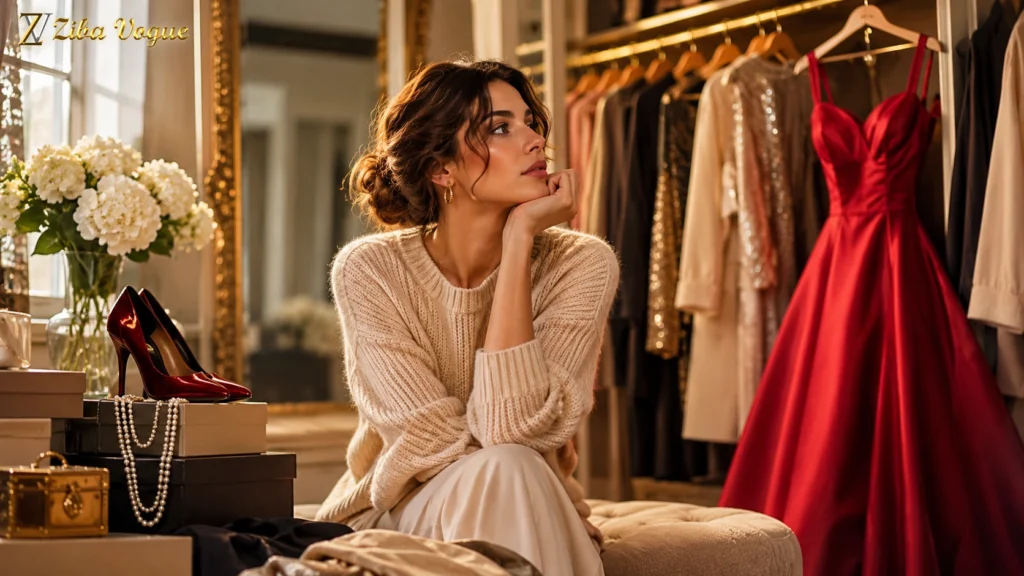
A beautiful dress waiting for the right occasion. A pair of shoes bought for a version of your life that hasn’t quite happened. An outfit you keep telling yourself you’ll wear when you have somewhere special to go.
Every now and then, you take it out, look at it, perhaps try it on, and put it back. You haven’t forgotten about it, and you certainly don’t dislike it. You’re simply waiting.
For a wedding, a celebration, a holiday, a new opportunity, or perhaps a day when you feel a little more confident. Sometimes, you don’t even know what you’re waiting for. You just feel that the moment hasn’t arrived.
It’s an interesting habit. We buy clothes to wear, yet some of the pieces we treasure most spend their time hanging quietly in our wardrobes.
And perhaps the reason has very little to do with the clothes themselves.
The Occasion We Keep Waiting For
We naturally divide our wardrobes into clothes for everyday life and those reserved for special moments. There is nothing unusual about that. A formal dress may not be practical for a grocery run, and an elegant pair of heels might not be the best choice for a long working day.
But sometimes, the distinction goes beyond practicality.
We begin to believe that certain clothes deserve a particular kind of day.
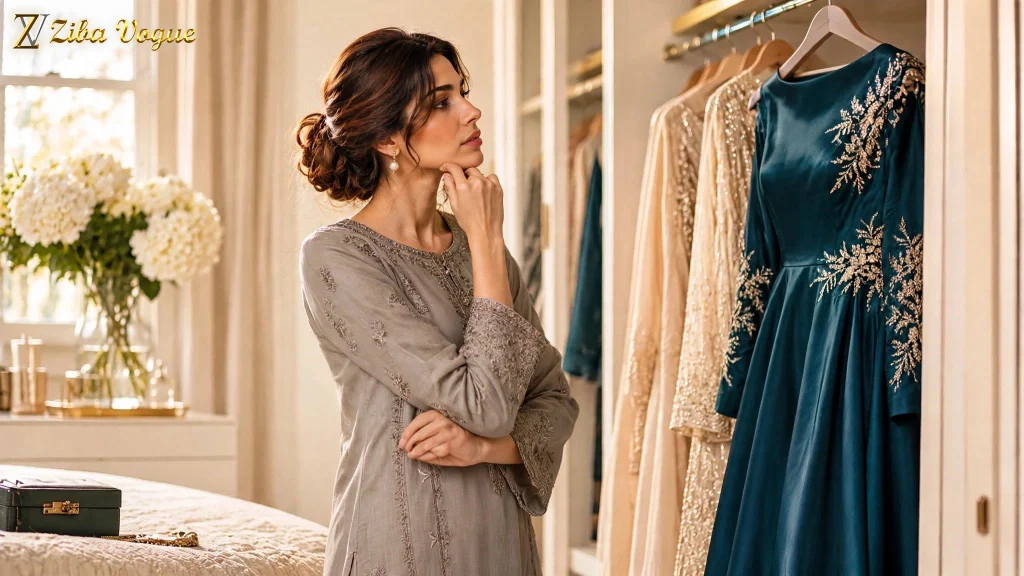
A beautiful dress needs an important invitation. A new outfit needs somewhere impressive to be seen. A favourite pair of shoes needs an occasion worthy of them.
Without realising it, we start treating ordinary days as though they are not quite deserving of the things we enjoy.
There is a quiet contradiction in this. We spend time choosing something because we love how it looks, only to protect it from being worn. The pleasure we imagined when buying it never quite arrives.
Some garments genuinely need particular occasions, of course. But it is worth asking whether we are saving them because they are unsuitable for everyday life or because we have become accustomed to thinking that ordinary life is not enough.
Dressing for the Person We Hope to Become
Clothes can carry expectations that have little to do with their fabric, colour or design.
We might buy a tailored blazer imagining a more confident professional life. A beautiful dress may represent the social life we hope to have. A pair of walking shoes might belong to plans for travelling more, while an elaborate outfit may be intended for a future in which we attend more events, meet more people and have more reasons to dress up.
There is nothing wrong with buying something for a future possibility. Clothes can help us imagine new experiences and sometimes give us the encouragement to pursue them.
The difficulty begins when that future becomes the only place where we allow ourselves to enjoy what we own.
We keep the outfit for the person we might become, while the person we are today rarely gets to wear it.
It is worth asking whether a purchase still reflects something we genuinely enjoy or has become a reminder of an expectation we once placed on ourselves.
Sometimes, what we are really holding on to is not an outfit, but an idea of how life might eventually look. This is also reflected in the way we think about personal style, particularly the idea of quiet luxury, where the value of clothing lies less in having more and more in choosing pieces that feel meaningful.
When Clothes Become Too Precious to Wear
There is another reason some pieces remain untouched: we are afraid of spoiling them.
Perhaps the fabric is delicate, the colour difficult to maintain, or the outfit expensive enough to make us nervous about wearing it too often. We worry about stains, fading, damage or simply not looking after it properly.
That concern is understandable. Some clothes need special care, and there is no reason to treat every garment as an everyday essential.
But there is a difference between looking after something and being so protective of it that it never gets used.
A favourite handbag that remains in its dust bag, a beautiful scarf considered too special for everyday wear, or a dress that has survived several wardrobe clear-outs without leaving its hanger can become reminders of how easily enjoyment turns into preservation.
We sometimes treat clothes as though their value depends on keeping them untouched.
Yet clothing is made to participate in our lives. It accompanies us to places, appears in photographs, becomes part of our memories and changes slightly through use. A garment does not lose all its value simply because it has been worn.
In many cases, that is precisely when it begins to mean something.
The Outfit That Belongs to an Old Version of You
Not every unworn piece is waiting for a future occasion. Some are connected to the past.
A dress might remind us of a period when we dressed differently. A jacket may have been bought during a particularly exciting chapter of life. A favourite outfit could belong to someone we were before our responsibilities, routines or preferences changed.
We keep these clothes because they hold memories, even when they no longer fit the way we live.
That can make deciding what to do with them surprisingly difficult. Letting go of an outfit may feel like letting go of the experience attached to it.
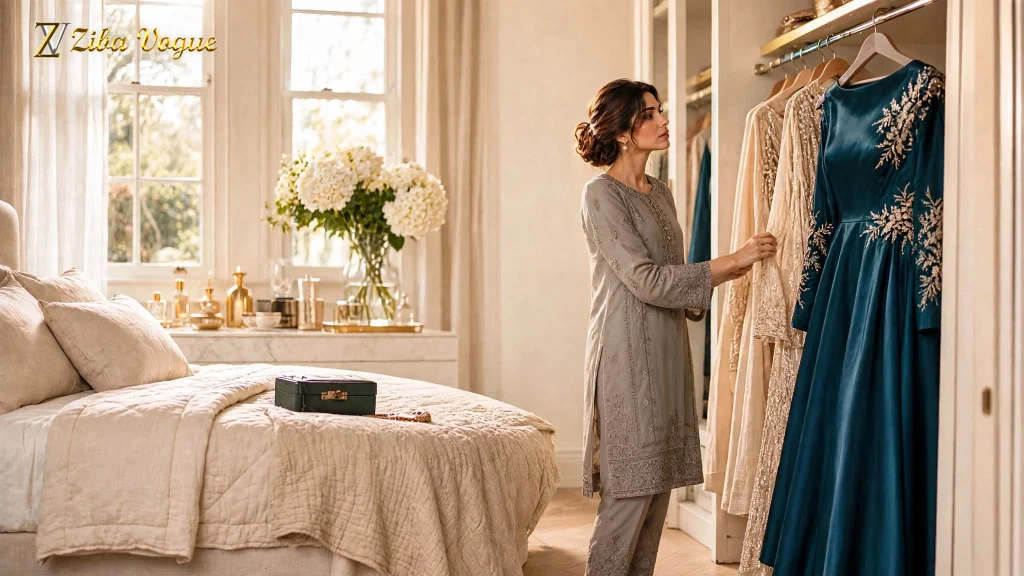
But keeping something does not mean we must continue wearing it. We can appreciate what a garment represents without expecting it to remain part of our present wardrobe.
Sometimes, a piece has already served its purpose. It helped us celebrate a moment, express a particular mood or remember a time we still value.
That is a meaningful reason to keep it. It is also perfectly reasonable to let it go when we are ready.
Why Ordinary Days Deserve Good Clothes Too
Some of our most memorable moments arrive without much preparation. A lunch with someone we haven’t seen in months, an unexpected invitation, a quiet afternoon spent somewhere lovely, or an ordinary day that turns out better than expected.
We cannot always predict which days will become important.
And yet, many of us reserve our favourite clothes for events that have already been labelled special. We wait for invitations and celebrations instead of allowing ourselves to enjoy dressing well simply because we feel like it.
Wearing a favourite outfit on an ordinary day does not mean overdressing or turning every outing into an occasion. It might be as simple as choosing the nicer blouse, wearing the earrings we usually save, or carrying the handbag that has been sitting in its box.
There is something rather lovely about making a little effort for a day that asks nothing extraordinary of us.
It isn’t about looking impressive. It is about allowing the things we enjoy to become part of our everyday lives.
A More Thoughtful Way to Look at Your Wardrobe
The next time you come across an outfit you rarely wear, pause before deciding whether to keep it or give it away. Try to understand why it has remained untouched.
A few honest questions can help:
- Am I waiting for a particular occasion? Could I wear it somewhere less formal without losing what makes it special?
- Am I keeping it for a future version of myself? Does it still represent something I genuinely want, or an expectation I no longer share?
- Am I afraid of damaging it? Is there a practical way to care for it while still enjoying it?
- Does it remind me of someone or something? Would keeping it as a memory be more meaningful than expecting myself to wear it?
- Would I choose it today? If I saw it in a shop now, would I still feel the same affection for it?
If you enjoy thoughtful perspectives on personal style and the stories behind what we wear, visit our Fashion Culture journal.
These questions aren’t a reason to wear everything you own or discard pieces that hold sentimental value. They are simply a way to make your wardrobe feel more connected to the life you are living now.mply a way of making your wardrobe feel more connected to your present life.
Give One Special Piece an Ordinary Day
Here is a small exercise worth trying.
Choose one piece from your wardrobe that you have been saving. It doesn’t have to be your most expensive outfit, just something you genuinely enjoy but keep postponing.
Think of three places where you could realistically wear it. They don’t need to be weddings, parties or formal gatherings. Perhaps a family lunch, a coffee outing, a visit to a friend or simply a day when you want to feel a little more put together.
Consider how you could style it for one of those occasions. You might change the shoes, choose simpler accessories or pair it with something more relaxed.
The aim isn’t to force an outfit into your everyday life. It is to see whether there is a way to enjoy it without waiting for the perfect moment.
And if there isn’t, that is fine too. At least you will have a clearer idea of why it has remained in your wardrobe.
The Life Happening While We Wait
Perhaps the most interesting thing about the clothes we save is what they reveal about our relationship with time.
We imagine a future in which we will have more opportunities, feel more confident, attend more celebrations or finally become the person we have pictured in our minds. We set certain things aside, believing there will be a better moment to enjoy them.
But life rarely announces when an ordinary day is about to become a special one.
The dress we keep waiting to wear may not need a grand entrance. The shoes we consider too beautiful for everyday use may simply need a comfortable afternoon. And the outfit we bought for a different version of ourselves may look just as lovely on the person we are today.
There is no need to turn every day into an occasion, and not every beautiful thing needs to be worn immediately. Some things are worth preserving, and some memories deserve a place in our wardrobes.
But the life we are preparing for is not separate from the one we are already living.
Some of our favourite clothes have been waiting long enough. Perhaps it is time to let them become part of the memories we haven’t made yet.