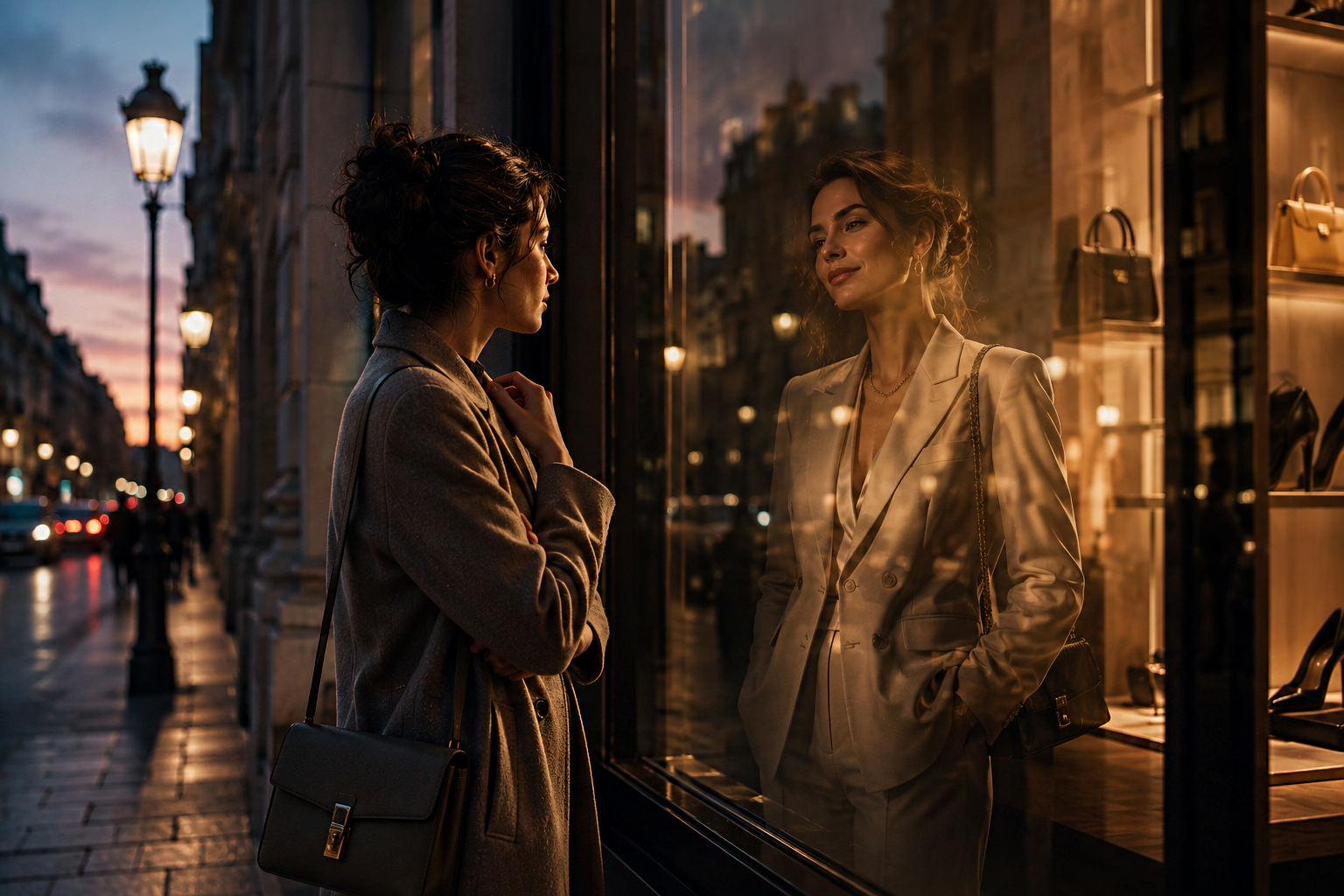
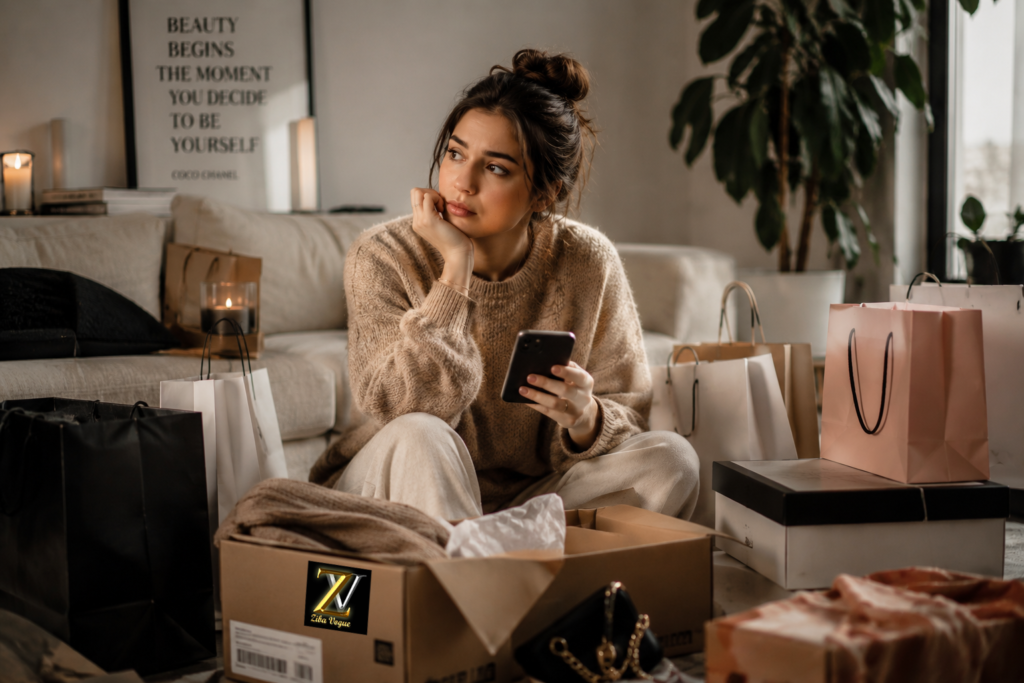
Take a look around your room for a moment. Chances are you’ll find something you were once excited to own—a pair of shoes you couldn’t stop thinking about, a jacket you convinced yourself was perfect, or a gadget you spent weeks researching before finally buying.
At the time, it felt important. You imagined how much you’d use it, how good it would feel to own it, or how it might improve some part of your life. Yet today, it probably sits quietly among the many other things you own, rarely noticed and seldom used.
That’s what fascinates me about shopping. The strangest part isn’t that we buy things we don’t need. It’s that we often enjoy wanting things more than actually owning them.
Think about the process. The excitement usually begins long before the purchase itself. You discover something online, save it for later, check it again the next day, read reviews, compare options, and imagine yourself using it. Sometimes that anticipation lasts longer than the satisfaction you’ll get after buying it.
By the time we finally click “Buy Now,” we’ve often attached a story to the product. It isn’t just a jacket anymore—it’s the jacket that will make us look more stylish. It isn’t just a watch—it’s a symbol of success. It isn’t just another skincare product—it’s the one that’s finally going to deliver the results we’ve been hoping for.
Then the package arrives.
For a brief moment, everything feels worth it. Opening the box is exciting. Trying the product for the first time is satisfying. There’s a sense of reward, almost as if we’ve achieved something.
But that feeling rarely lasts.
A few days or weeks later, the item becomes part of the background. The shoes join the rest of the collection. The gadget becomes another object on a desk. The excitement that once felt so powerful quietly fades away.
Yet despite experiencing this cycle countless times, many of us continue to believe that the next purchase will be different.
Part of the reason is that we’re often not buying the product itself. We’re buying the feeling attached to it. We imagine a future version of ourselves—someone more confident, more successful, more attractive, or simply happier. The product becomes a shortcut to that imagined version of who we want to be.
Social media has made this even more powerful. Every day we’re exposed to carefully curated lifestyles that make ordinary lives look extraordinary. We see the perfect outfit, the perfect home, the perfect vacation, and the perfect morning routine. After enough exposure, it’s easy to believe that happiness is always one purchase away.
The reality, however, is much simpler. Most purchases improve our lives only slightly, if at all. A new pair of shoes can be comfortable and stylish, but it won’t solve insecurity. A luxury handbag can be beautifully crafted, but it won’t create self-worth. The latest gadget can be useful, but it won’t suddenly make life meaningful.
This doesn’t mean shopping is bad. There’s nothing wrong with enjoying beautiful things or rewarding yourself occasionally. The problem begins when we expect products to solve emotional needs they were never designed to fix.
Before making a purchase, most people ask themselves one question: “Can I afford it?” While that’s important, there may be a better question to ask.
“Why do I want it so badly?”
Sometimes the answer is practical. Maybe you genuinely need it. Maybe it will improve your daily life. But sometimes the answer has less to do with the product and more to do with how you’re feeling. Perhaps you’re bored, stressed, overwhelmed, or simply looking for something to look forward to.
The happiest people I’ve met aren’t necessarily the people who own the most. They’re often the people who appreciate what they already have. They still buy things they enjoy, but they don’t expect every purchase to fill an emotional gap or transform their lives.
The next time you find yourself staring at an online checkout page, pause for a moment before completing the purchase. Ask yourself what you’re really buying.
Is it the product?
Or is it the feeling you’ve attached to it?
The answer might tell you more about yourself than the item ever could.
Interestingly, consumer preferences are changing in other ways too. Many luxury shoppers are becoming less interested in flashy branding and more focused on quality, craftsmanship, and personal style. You can see this shift in our article on Why Luxury Brands Are No Longer Obsessed With Logos.